Engineering Leader · Author · Advisor
I build the
engineering organizations
behind ambitious products.
A senior engineering leader across eCommerce, travel, and SaaS. I'm also the author of AI Is the Easy Part. I help organizations scale teams, modernize platforms, and turn AI into durable advantage.
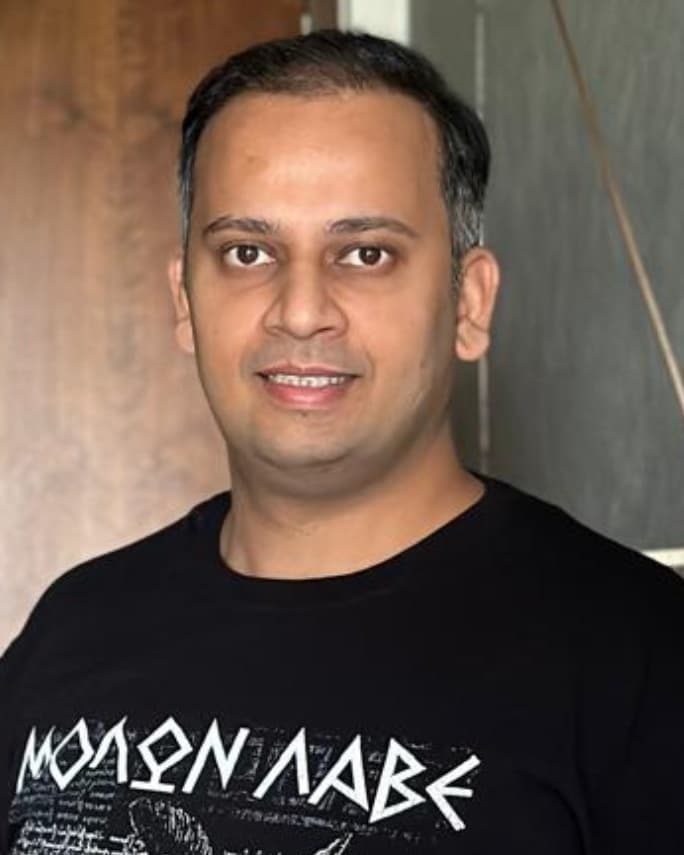
Engineering leadership across
AI creates capability. Organizations create value.
My work explores the gap between the two: what happens to engineering metrics, operating models, talent, and leadership when execution becomes cheap.
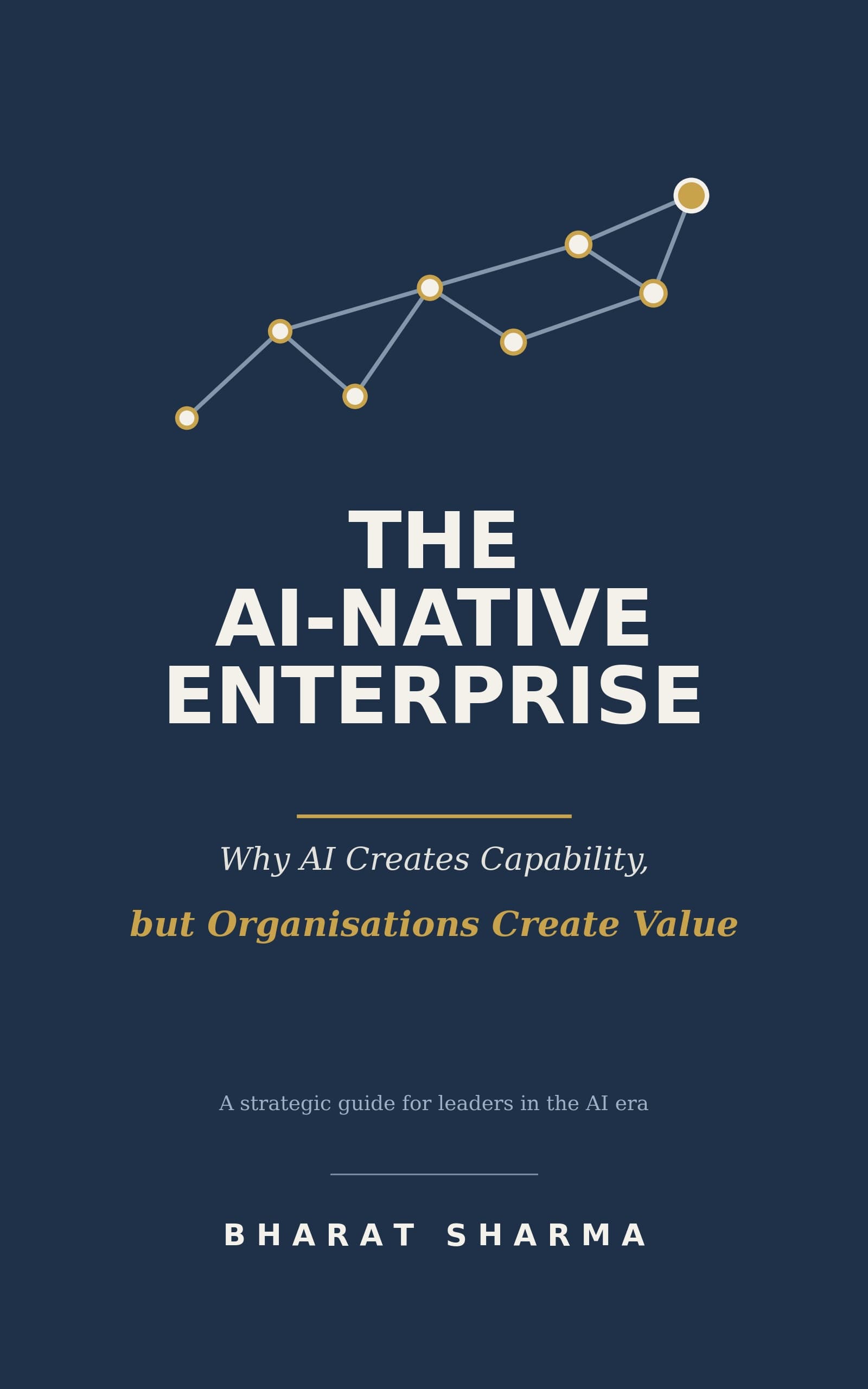
The book
AI Is the Easy Part
A field guide for leaders rebuilding engineering around intelligence: past the hype, into the operating models, talent strategy, and disciplines that turn AI into durable advantage.
- AI is an operating-model shift, not a tool upgrade. The companies that win won't be the ones with the most AI tools. They'll be the ones who redesigned how engineering works around them.
- Discipline beats enthusiasm. AI rewards organizations with strong engineering fundamentals and punishes those hoping it will paper over weak ones.
- The human layer becomes more valuable, not less. As more of the 'how' is automated, the differentiators become judgment, taste, and ownership: the 'why' and the 'whether.'
In brief
Engineering is a
leadership outcome.
My professional focus has always been the pursuit of engineering excellence: how do we enable organizations to perform at their best under real-world pressure?
Through building teams and rebuilding platforms across eCommerce, travel, and SaaS, I have developed a singular conviction: engineering excellence is a leadership outcome.
Now, as AI fundamentally changes how we build, I partner with leaders to harness that shift. I focus on building the foundational discipline, talent strategy, and operational frameworks that move AI from a demo to a sustainable, competitive advantage.
Impact
Outcomes, not job titles
A selection of the results my teams and I have delivered.
3×
Scaled Engineering Organizations
Grew engineering teams across multiple companies while raising, not diluting, the talent bar, with hiring systems that scaled as fast as headcount.
80%
Workflow Optimization
Re-architected end-to-end workflows spanning tooling, integrations, and process (not just code) to remove friction across the entire delivery lifecycle.
60%
Quality Engineering
Drove down escaped defects through shift-left practices, test architecture, and making quality a shared responsibility rather than a gate.
80%
Formerly: AI Adoption
Not that adoption is the point. Why: The Hourglass Firm
Took AI-assisted engineering from curiosity to daily practice, with guardrails, measurement, and a clear view of where it actually pays off.
2
"Zero to One" Org Scaling
Built two engineering organizations from the ground up, from first hire to a functioning, scalable team, rather than inheriting an existing one.
40%
Platform Modernization
Led re-platforming efforts that reduced infrastructure cost and unlocked the velocity the business had been asking engineering to deliver.
Leadership philosophy
How I think about building teams
A few convictions earned over years of building, scaling, and occasionally rescuing engineering organizations.
Culture is the product before the product
You don't get great software from unhappy, unclear teams. The first thing I build is an environment where good people can do their best work: high trust, high standards, low ego.
Hire for trajectory, not just résumé
The best engineers I've hired were rarely the most obvious on paper. I look for ownership, curiosity, and the ability to learn in public. Skills age; the way someone thinks compounds.
Innovation is a system, not a hackathon
One-off events generate energy, not outcomes. Real innovation comes from giving teams slack, a clear problem, and permission to be wrong on the way to being right.
Excellence is the default, not the exception
Quality, reliability, and craftsmanship aren't trade-offs against speed. Past a certain point, they are the source of speed. I build the systems that make the right way the easy way.
Writing
Recent thinking
Essays on engineering leadership, AI transformation, and the craft of building modern teams.
Speaking
Talks that leave a room thinking differently
I speak to executives and engineering teams about leadership, the AI-native enterprise, and the future of the craft, tailored to your audience and never off-the-shelf.
When Code Becomes Cheap, Judgment Becomes the Craft
As AI takes over more of the coding, an engineer's value moves from producing code to judging it: knowing what to question, what to trust, and when a plausible answer is quietly wrong. This talk is about the people problem underneath that shift, how the everyday work that used to turn juniors into seniors is disappearing, and what deliberately replaces it. Leaders leave with a concrete way to rethink apprenticeship and how they evaluate early-career engineers.
AI Is the Easy Part
Individual engineers are measurably faster with AI, yet most organizations cannot point to a matching change in what they ship. The model was the easy part; the operating model is the hard one. This talk is about that gap: why individual productivity does not become organizational value on its own, and the specific changes to how teams are structured, measured, and led that decide whether it ever does.
Are You Measuring AI-Era Engineering With Pre-AI Metrics?
When a feature branch costs seconds to generate, counting commits, pull requests, and lines of code measures almost nothing. This talk covers why the activity metrics most boards still see have become actively misleading, where the real work moves once code is cheap, and the small set of outcome and rework signals engineering leaders should track instead.
The Briefing
Notes on engineering leadership & the AI-native enterprise
Where AI actually changes how engineering organisations work: the constraints that move, the operating-model shifts that follow, and what holds up in practice. No link roundups, no hot takes.
No spam. Unsubscribe anytime.
Let's talk
Building something that needs serious engineering leadership?
Whether it's a keynote, an advisory conversation, or a transformation that has to land, the best first step is a short conversation.